Throbbing Tooth Pain When You Bite Down: What It Means and When to See an Endodontist



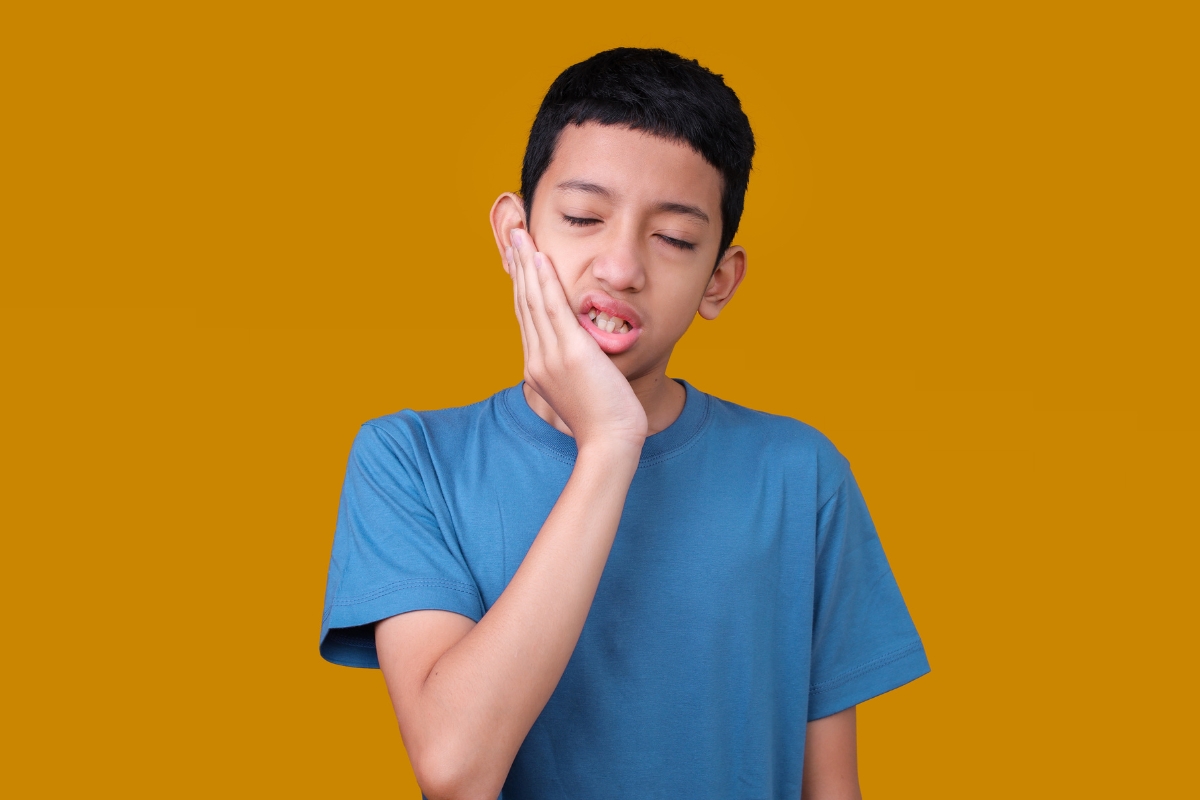
That sharp, pulsing ache the moment your teeth touch is more than an annoyance — it’s your body sending a message you shouldn’t ignore. Throbbing tooth pain when you bite down usually points to something happening beneath the enamel, often deep inside the tooth’s nerve or surrounding bone. Many patients search for an endodontist near them only after the pain has already disrupted meals, sleep, or focus at work, but understanding the cause early can save both the tooth and a great deal of discomfort. If you’re in the North Scottsdale area and dealing with this kind of pain, our team at North Scottsdale Endodontics has seen this exact scenario play out hundreds of times, and there’s almost always a clear, treatable explanation.
Quick Answer: Why Does My Tooth Throb When I Bite Down?
Throbbing pain when biting down typically means the tooth’s inner pulp (the nerve and blood vessels) is inflamed or infected, or that the tissue surrounding the root is irritated. This is commonly caused by deep decay, a cracked tooth, a failing filling, or an abscess. Left untreated, the pressure and infection can worsen quickly, making prompt evaluation essential.
Understanding the Anatomy Behind the Pain
To understand why biting triggers such intense discomfort, it helps to know what’s happening inside the tooth. Every tooth has a soft inner core called the dental pulp, made up of nerves, connective tissue, and blood vessels. This pulp sits beneath the enamel and dentin, protected until decay, trauma, or bacteria find a way in.
When the pulp becomes inflamed — a condition dentists call pulpitis — the pressure inside the tooth has nowhere to escape. Biting down adds mechanical force directly onto an already irritated nerve, which is why the pain often feels sudden, sharp, and localized to one specific tooth rather than a general ache across the jaw.
Common Causes of Throbbing Pain When Biting Down
1. Deep Tooth Decay Reaching the Nerve
Cavities that have progressed past the enamel and dentin can inflame or infect the pulp. At this stage, pain when chewing is one of the clearest indicators that decay has reached the nerve.
2. Cracked Tooth Syndrome
Hairline fractures aren’t always visible on X-rays or to the naked eye, yet they can cause intense, inconsistent pain specifically triggered by biting pressure. This is one of the more challenging diagnoses in endodontics because the crack may only “activate” pain under certain angles of pressure.
3. Dental Abscess or Infection
A bacterial infection at the root tip creates a pocket of pus that puts pressure on surrounding bone and tissue. Biting down compresses this inflamed area, often producing a deep, pulsing pain accompanied by swelling or sensitivity to temperature.
4. Failed or Loose Dental Restoration
Old fillings, crowns, or bridges that have shifted, cracked, or developed gaps underneath can allow bacteria to seep in, irritating the nerve and creating pain focused on chewing pressure.
5. Sinus-Related Referred Pain
Occasionally, upper molar pain that worsens with biting is actually related to sinus pressure rather than the tooth itself. An endodontic evaluation helps rule this out through targeted testing.
Why This Type of Pain Shouldn’t Wait
Research published in dental and endodontic journals consistently shows that untreated pulp infections can spread to surrounding bone, and in some cases, into deeper facial or neck tissue if left unaddressed for too long. Studies also indicate that root canal treatment has a success rate exceeding 95% when performed before infection significantly damages surrounding structures — a strong reason to seek care as soon as biting pain becomes noticeable rather than waiting for it to intensify.
Delaying treatment doesn’t just risk the health of the tooth; it can also increase the complexity, cost, and recovery time associated with care. Many patients who wait report the pain becoming constant, throbbing even without biting, or accompanied by facial swelling — all signs the infection has progressed.
How an Endodontist Diagnoses the Source of the Pain
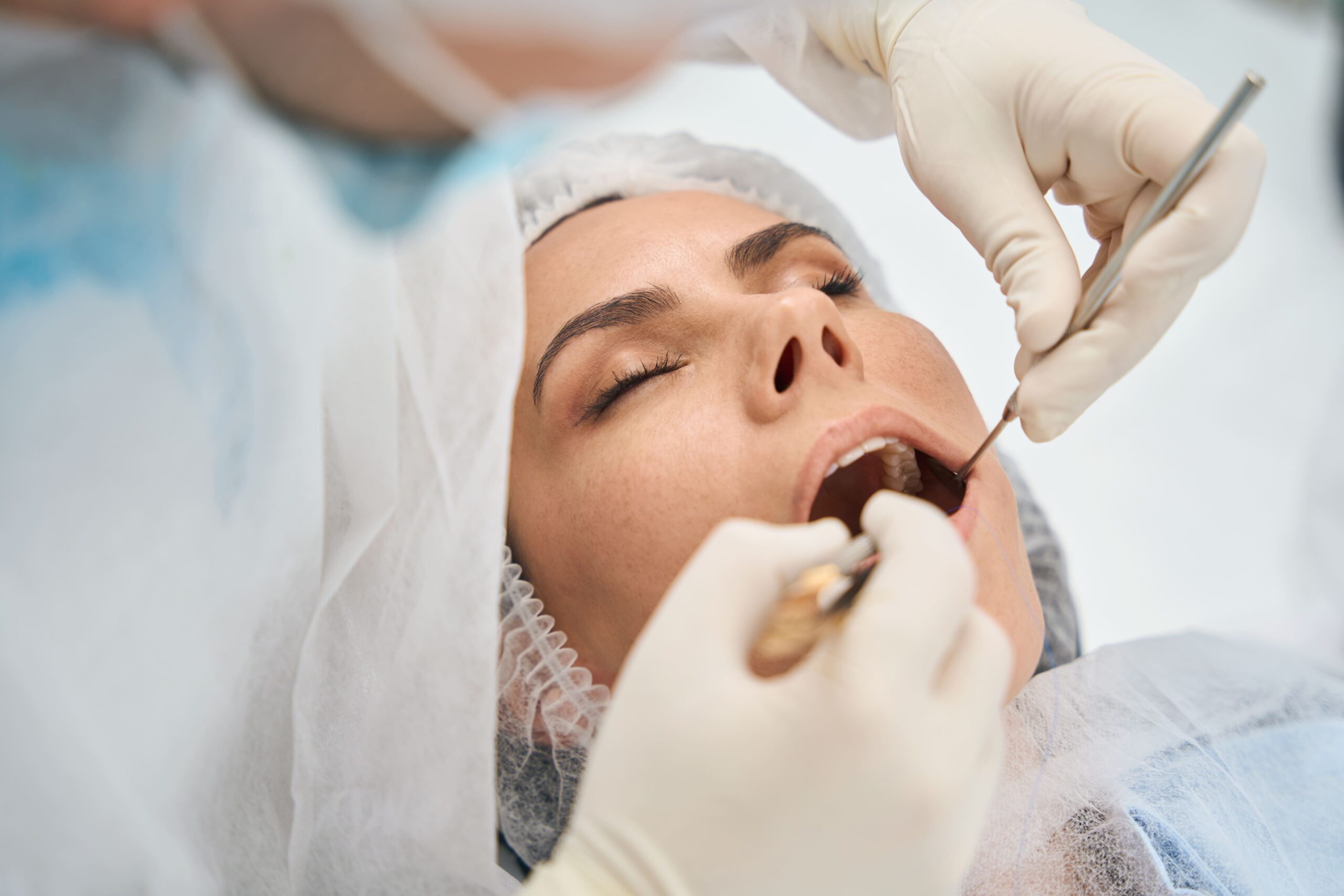
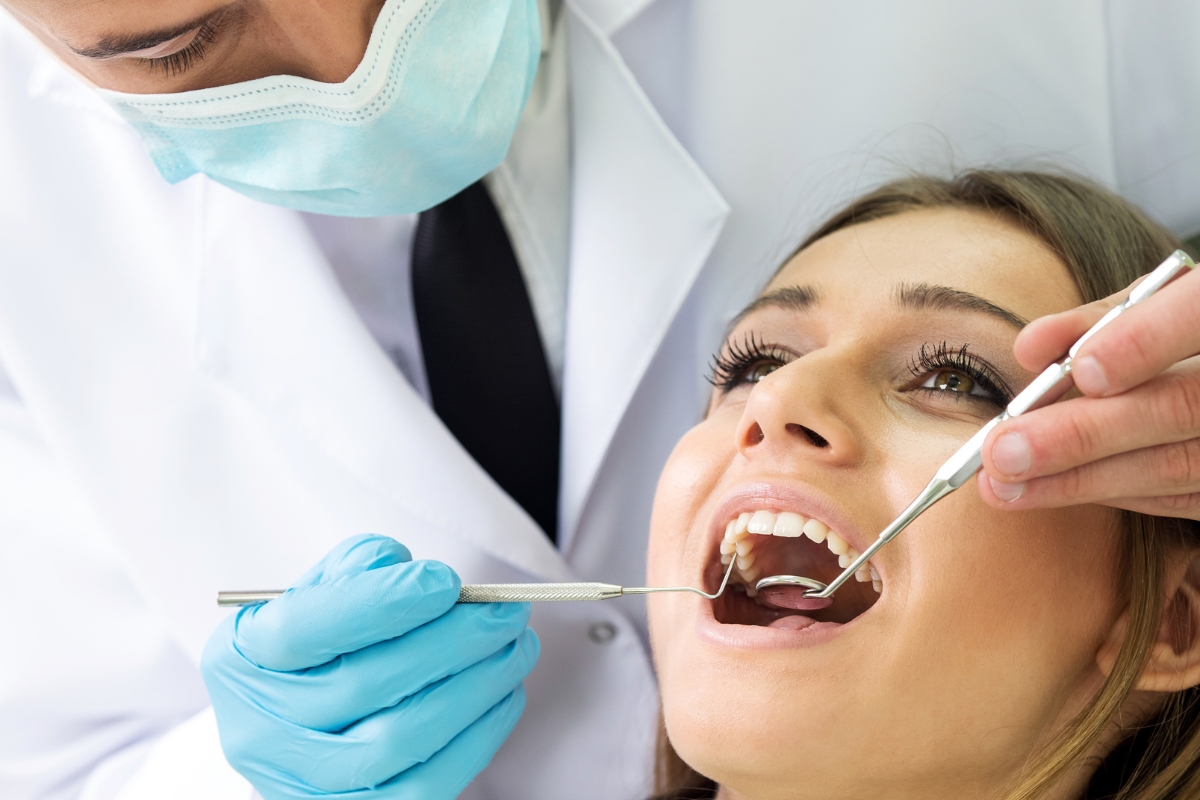
When patients come to our North Scottsdale office describing throbbing pain on biting, we start with a thorough clinical exam paired with digital X-rays or, when needed, 3D cone-beam imaging to detect fractures, bone loss, or infection not visible on standard films. Cold and heat sensitivity testing, along with gentle bite pressure tests using a device that isolates individual cusps, help pinpoint exactly which tooth — and often which specific crack or infected canal — is responsible.
This precision matters. Two teeth sitting next to each other can feel identical to the patient, but only careful testing reveals which one actually needs treatment. To understand more about the scope of this specialty, visit our page on what endodontic treatment involves.
Treatment Options Depending on the Cause
- Root Canal Therapy: If the pulp is infected or irreversibly inflamed, removing the damaged tissue, disinfecting the canal system, and sealing the tooth typically resolves the pain and preserves the natural tooth.
- Crack Management: Depending on severity, a cracked tooth may be stabilized with a crown, or in more advanced cases, may require root canal treatment if the crack has reached the pulp.
- Abscess Drainage and Infection Control: Infections are addressed through cleaning the canal system and, when necessary, antibiotics to control the spread of bacteria before definitive treatment.
- Restoration Replacement: A failing filling or crown may simply need to be redone once any underlying nerve involvement is ruled out or treated.
Preventive Tips to Reduce Your Risk
Maintaining good oral hygiene, attending routine dental checkups, and addressing small cavities before they progress are the most effective ways to avoid this kind of pain altogether. Wearing a nightguard if you grind your teeth, avoiding chewing on excessively hard foods or ice, and replacing worn-out fillings promptly also go a long way in protecting the long-term health of your teeth.
If you ever notice a tooth that feels slightly different when biting — even mild discomfort — scheduling an evaluation early can often mean the difference between a simple filling and a more involved procedure down the road.
Local, Specialized Care in North Scottsdale
Patients throughout the North Scottsdale area trust our practice specifically because endodontics is our sole focus — not a side service within a general dental practice. This specialization means more advanced diagnostic tools, more experience with complex root canal cases, and a deeper understanding of exactly why a tooth is throbbing when you bite down. Whether you’re a long-time patient or searching for care for the first time, our office is built around precise, comfortable, and efficient endodontic treatment.
FAQs
Q: Why does my tooth only hurt when I bite down, but not otherwise?
This pattern often points to a cracked tooth or an inflamed nerve, since biting pressure directly stimulates the irritated area in a way that resting doesn’t.
Q: Can a cavity really cause throbbing pain?
Yes. Once decay reaches the pulp, it can cause inflammation or infection that produces a deep, throbbing sensation, especially under chewing pressure.
Q: Is throbbing tooth pain always a sign I need a root canal?
Not always, but it’s one of the most common reasons. A proper evaluation determines whether the pulp is salvageable or whether the tooth can be treated another way.
Q: How urgent is it to see someone for this kind of pain?
Very urgent. Pain that worsens, especially with swelling or fever, may indicate a spreading infection and should be evaluated promptly.
Q: Will the pain go away on its own?
Occasionally discomfort may fade temporarily, but the underlying cause typically remains and often returns more severely. Professional evaluation is the only reliable way to resolve it.
Q: What’s the difference between a general dentist and an endodontist for this issue?
An endodontist specializes exclusively in diagnosing and treating problems inside the tooth’s nerve and root system, offering more advanced tools and experience for complex or unclear cases like biting-triggered pain.
Conclusion
Don’t let throbbing tooth pain interrupt another meal or night’s sleep. If biting down triggers sharp or pulsing discomfort, our team at North Scottsdale Endodontics is ready to identify the cause and provide lasting relief with precise, patient-focused care. Schedule your evaluation today and take the first step toward a pain-free smile.